
Flag Man
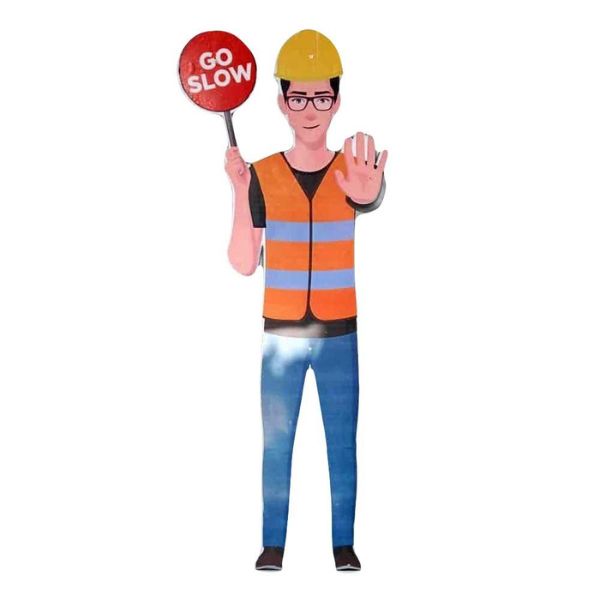
A Flagman Dummy refers to a life-sized mannequin or figure placed at road construction or maintenance zones to resemble a real human flagger. It’s used to enhance visibility and encourage drivers to slow down, especially when actual flaggers aren’t present or when an added visual deterrent is needed.
A Flagman Dummy is a life-sized mannequin strategically positioned at road construction, repair, or maintenance zones to simulate the presence of a real human flagger. Its primary purpose is to act as a visual safety measure, catching the attention of approaching drivers and prompting them to reduce speed, exercise caution, and stay alert while navigating through work zones. These dummies are typically designed with high-visibility clothing, reflective materials, and sometimes equipped with a flag or sign to closely resemble an actual worker on duty.
By creating the impression of human supervision, a flagman dummy serves as an effective psychological deterrent, encouraging drivers to follow traffic rules even in the absence of actual flag personnel. Widely used in high-risk areas, busy highways, and nighttime maintenance projects, they significantly enhance safety for both workers and road users by reducing the likelihood of accidents in construction zones.
Key Benefits:
- Reduces risk to human flaggers
- Low-cost safety enhancement
- Can be deployed in remote or low-traffic zones
Related products
Hazard Marker
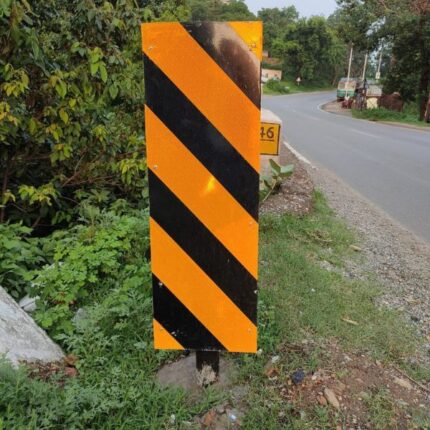
The Hazard Marker is a high-visibility safety sign designed to alert road users and workers to potential dangers or restricted areas. Built for durability and effectiveness, it features bold diagonal stripes in contrasting colors (typically black/yellow or red/white) that are instantly recognizable and universally understood as a warning symbol.
Ideal for roadside hazards, sharp curves, construction zones, and worksite perimeters, this marker ensures early warning and improves overall safety. Manufactured from weather-resistant materials, it remains effective in all conditions — day or night, rain or shine.
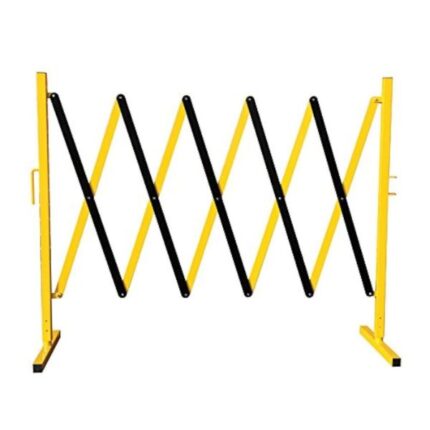
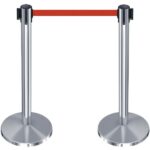
Metal Scissor Barrier
Metal Scissor Barrier is typically means:
- A portable, expandable barricade made of metal i.e. mild steel with a scissor-like or accordion frame.
- Designed to expand to block off an area (like a lane, sidewalk, or hazard zone) and collapse for easy storage and transport.
- Used for traffic control, crowd management, or temporary hazard marking — for example, during road maintenance, accident scenes, or construction work.
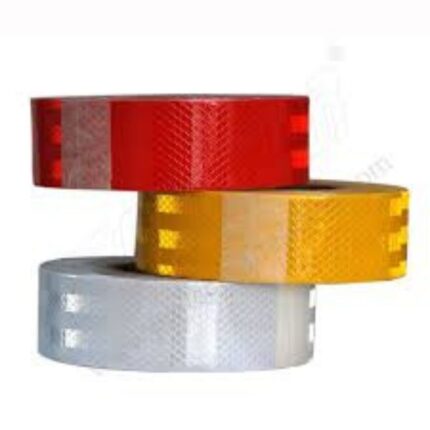
- Often paired with warning colors (yellow, red, black) or reflective strips to improve visibility day and night.
Signages
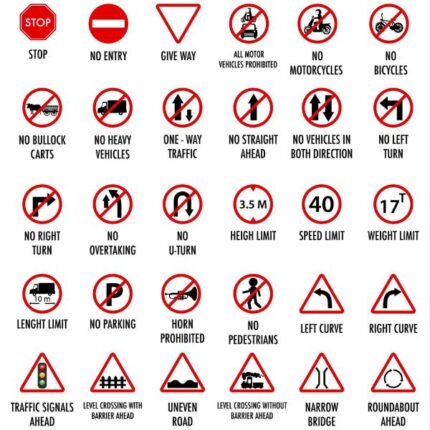
Traffic signages (or traffic signs) are standardized visual indicators installed along roads and highways to regulate, warn, and guide road users. They are essential for ensuring safe, organized, and efficient road use.
Traffic signages are silent guardians of road safety. When well-designed and properly placed, they help prevent accidents, reduce confusion, and keep traffic flowing smoothly.
In India, traffic signs are governed by the Indian Roads Congress (IRC).
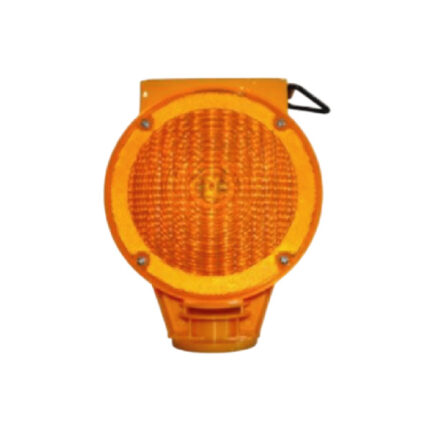
Solar Flasher – 33CM
SIZE LENGTH-33CM
SOLAR PANEL 4V60MAH
NI-MH BATTERY 3.2V LITHUM BATTERY
WORK MODE FLASH/CLOSE
WORKING HOURS 12HOURS
COLOR RED/YELLOW
LED 8PCS ULTRA BRIGHT LEDS
VISIBILE DISTANCE 500MTR
WATERPROOF CAN BE USED IN RAINY DAY, BUT NOT IP68
SPECIAL FUNCTION SWITCH FOR POWER USE SOLAR OR BATTER
USAGE CAN BE FIT ON BARRIER, CONES, PAVEMENT, ROAD
Solar Road Stud
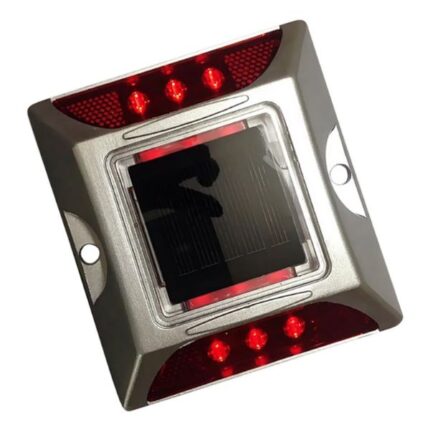
The Solar Road Stud is an intelligent, eco-friendly road safety device designed to improve visibility and safety on roads, especially in low-light or night-time conditions. Powered by a built-in solar panel and rechargeable battery, it automatically charges during the day and illuminates at night using high-intensity LEDs.
Ideal for highways, intersections, pedestrian crossings, sharp curves, and fog-prone areas, these solar-powered markers significantly enhance driver awareness and reduce accidents. They serve as a cost-effective alternative to conventional road lighting where wiring and maintenance are difficult or costly.
Speed Breaker
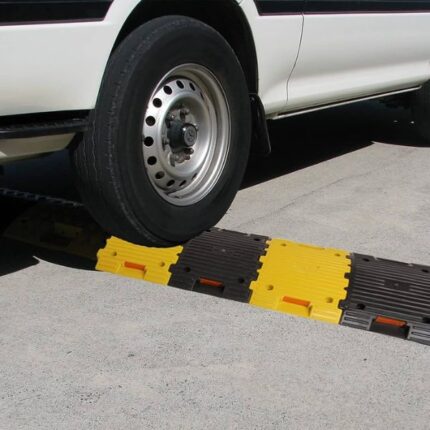
The Speed Breaker is a durable, high-performance traffic calming device designed to reduce vehicle speed in critical areas such as roads, parking lots, residential zones, and industrial premises. Made from premium materials, it ensures long-lasting performance and driver safety.
Design: Usually a hump or bump made of asphalt, concrete, or rubber. The height and slope are designed so that going too fast causes discomfort (or even damage to a vehicle), encouraging drivers to slow down.
Spring Post
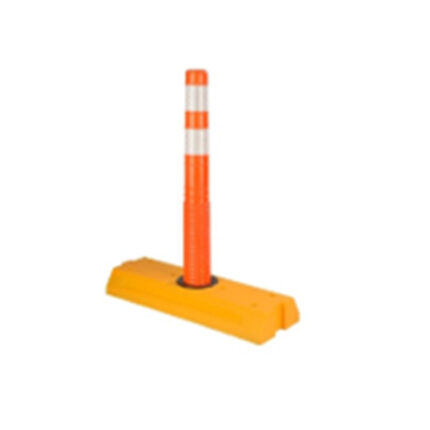
A spring post is a flexible and non flexible, high-visibility road safety device used to guide and manage traffic flow, particularly in areas requiring lane separation, hazard marking, or restricted access. It is designed to withstand vehicle impacts by bending and returning to its original position, minimizing damage to both the post and vehicles.
Reviews
There are no reviews yet.